
Aircon & HVAC advice
Updated 16 October 2026
Regas and leak repair solve different problems
A refrigerant recharge restores the specified charge when it is needed. A leak repair addresses a path through which refrigerant escapes. Adding refrigerant alone does not fix that path, so a system with an unresolved leak can lose cooling again.
Poor cooling is not proof of low refrigerant
A dirty filter, restricted airflow or a control fault can also reduce cooling. Describe the symptoms rather than requesting gas as a presumed solution. A technician should assess system operation and identify whether refrigerant work is actually necessary.
Ask how refrigerant loss will be investigated
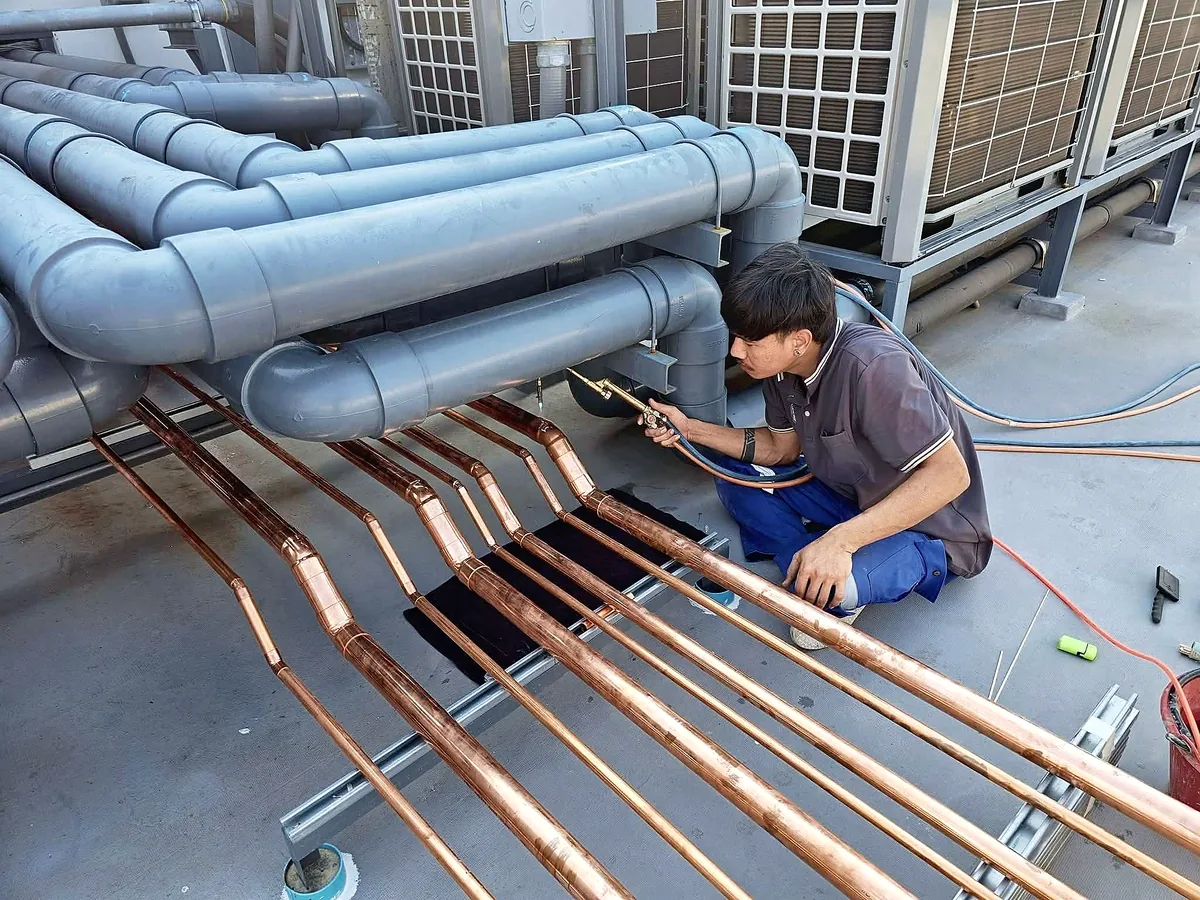
The appropriate inspection depends on the equipment, refrigerant and access to the circuit. Ask which leak checks are included, what happens if the leak is difficult to locate, and whether further testing requires a separate quotation. Leave refrigerant handling to a competent technician.
Compare the complete repair scope
A useful quote identifies the diagnosed fault, parts or joints to be repaired, testing, evacuation and charging requirements where applicable, and performance checks. Confirm how refrigerant quantity, labour, access and return visits affect the price. A low recharge-only price may exclude the work that resolves the cause.
Keep the service history
Provide previous repair dates, the refrigerant type from the equipment label and how quickly performance deteriorated after earlier work. Do not open service valves or mix refrigerants yourself. Ask for the final findings and remaining concerns to be recorded on the job report.